A good corporate training video needs a tight script, an on-camera person who holds attention, two cameras and clean audio. Keep each video to one to three minutes on a single topic.
Training videos earn their boring reputation from decisions made long before the camera rolls. I have been producing commercial video in Chicago for about 30 years, and the training videos that work all get the same fundamentals right.

Start with four questions
When a company calls Pierson Studios about a training video, I ask four things before anything else:
Who the audience is
Which training topics need to be covered
How soon the video is needed
Whether the company has space to shoot or needs a studio
The answers shape everything from the script to the shoot schedule.
Pick an on-camera person who holds attention
The person on camera matters more than almost anything else in a training video. Pick someone who is comfortable in front of a camera and has some natural energy. A little humor goes a long way. Small jokes and some levity keep viewers watching through material that could otherwise put them to sleep.
I once shot a training video for a culinary client, and we used a chef who was fantastic on camera. She made small jokes throughout, and the viewers stayed engaged the whole way through. It worked out very well.
Use two cameras and get the audio right
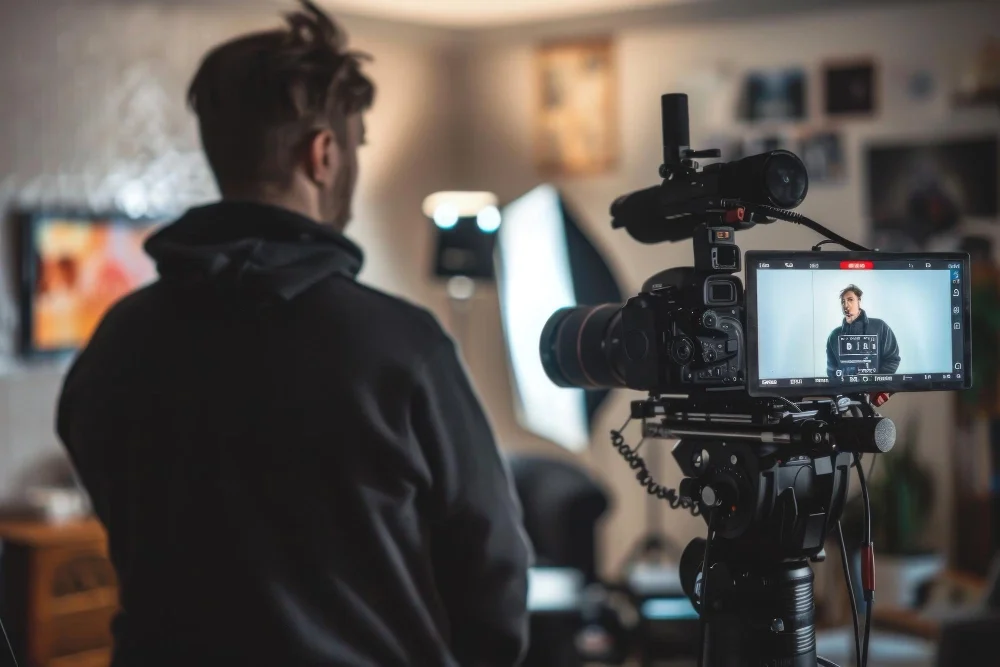
Training videos usually have a lower production level than a commercial, but I still shoot them with two cameras. A second angle gives the editor options and keeps the pacing moving. On the culinary shoot we shot some of it handheld, which added energy.
Audio needs the most attention. When the sound is bad, viewers drop off, so good audio is non-negotiable. Lighting matters too. When the picture and the sound are both clean, the viewer can focus on the message.
Why doing it in-house usually falls short
Some companies try to shoot their own training videos, and that is usually a mistake. Even at a lower production level, a training video needs two cameras and good audio. A professional crew brings the equipment and the experience to get both right. If you are deciding who to hire, how to find a local videographer for your business covers the questions worth asking before you hire.
Keep the script tight and use a teleprompter
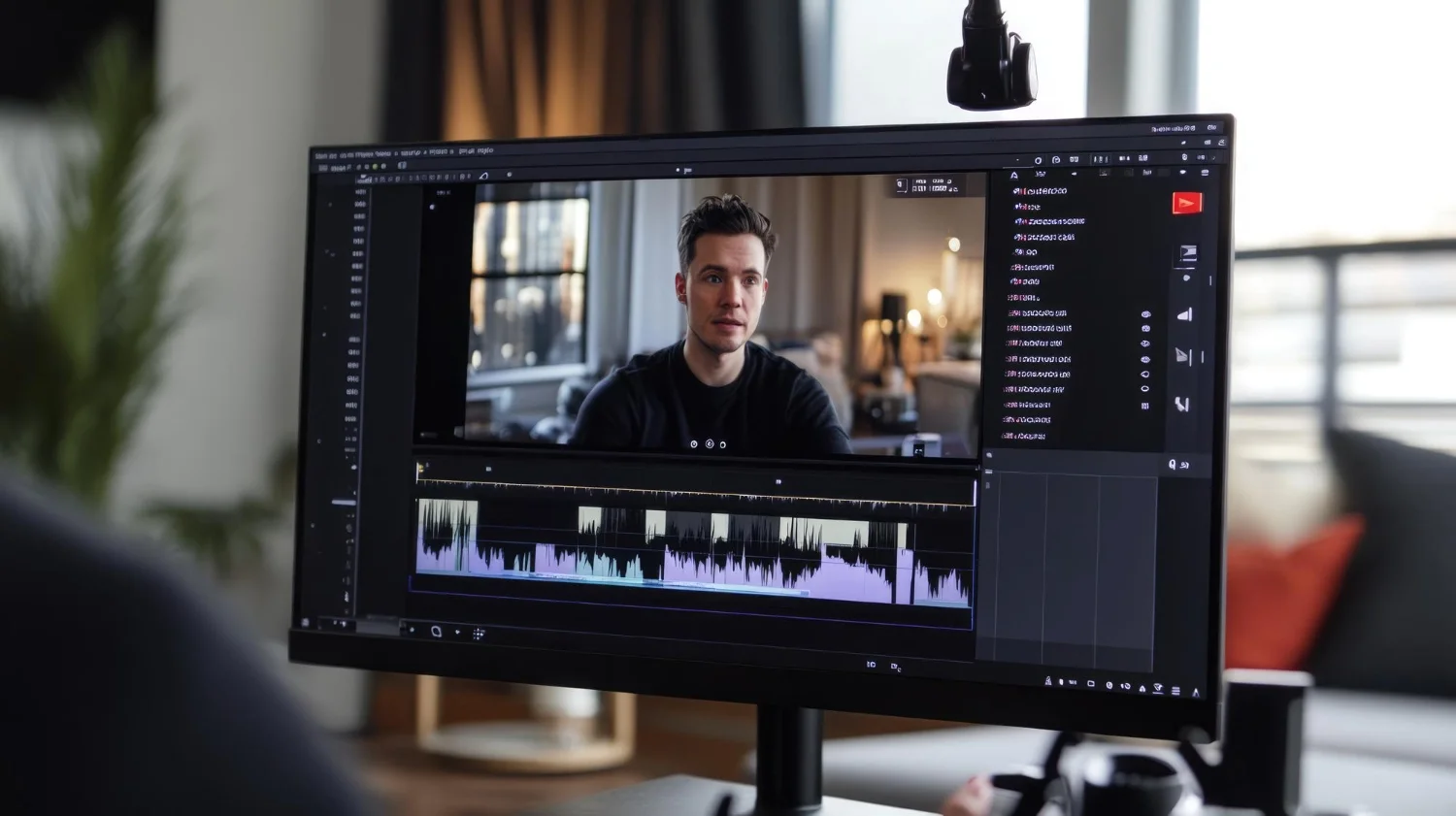
A training video is still a video, so the script should be tight. Cut anything that does not teach something. A teleprompter makes the job much easier for the on-camera person, who can look at the lens and deliver clean takes without memorizing every line.
Break the training into short videos
Never make one long training video. Break the material into separate videos by topic, each running one to three minutes. Short videos hold attention, and viewers can go straight to the topic they need.
Schedule extra time before the cameras roll
Always allow far more time before the cameras roll than you think you need. The crew needs time to set up, adjust and test the lighting, cameras and audio. The on-camera person needs time to warm up before the first real take.
Decide on location early
If the company has a quiet room with enough space, the crew can shoot on site. If not, we book a studio. Settle this early, because the location affects both the schedule and the audio.
Planning a training video in Chicago
Pierson Studios is a Chicago-based commercial video production company with about 30 years of experience. We handle the whole job, from planning through editing. Budget usually comes up early, and what drives the cost of a corporate video is covered here. If you are planning a training series, contact Pierson Studios and we will start with the four questions above.
Key Takeaways
- Choose an on-camera person who is comfortable on camera and adds some levity to keep viewers engaged.
- Shoot with two cameras, even at a lower production level.
- Good audio is non-negotiable, because bad sound causes viewers to drop off.
- Keep the script tight and use a teleprompter to help the on-camera person.
- Break training into separate videos by topic, each one to three minutes long.
- Allow extra time before the cameras roll for setup, testing and talent warm-up.