Corporate video production is the work of planning, filming, editing, and delivering video a business uses for marketing or internal communication. In Chicago, a good production starts with a discovery call about the goal, the audience, the timeframe, and the budget before a camera comes out.
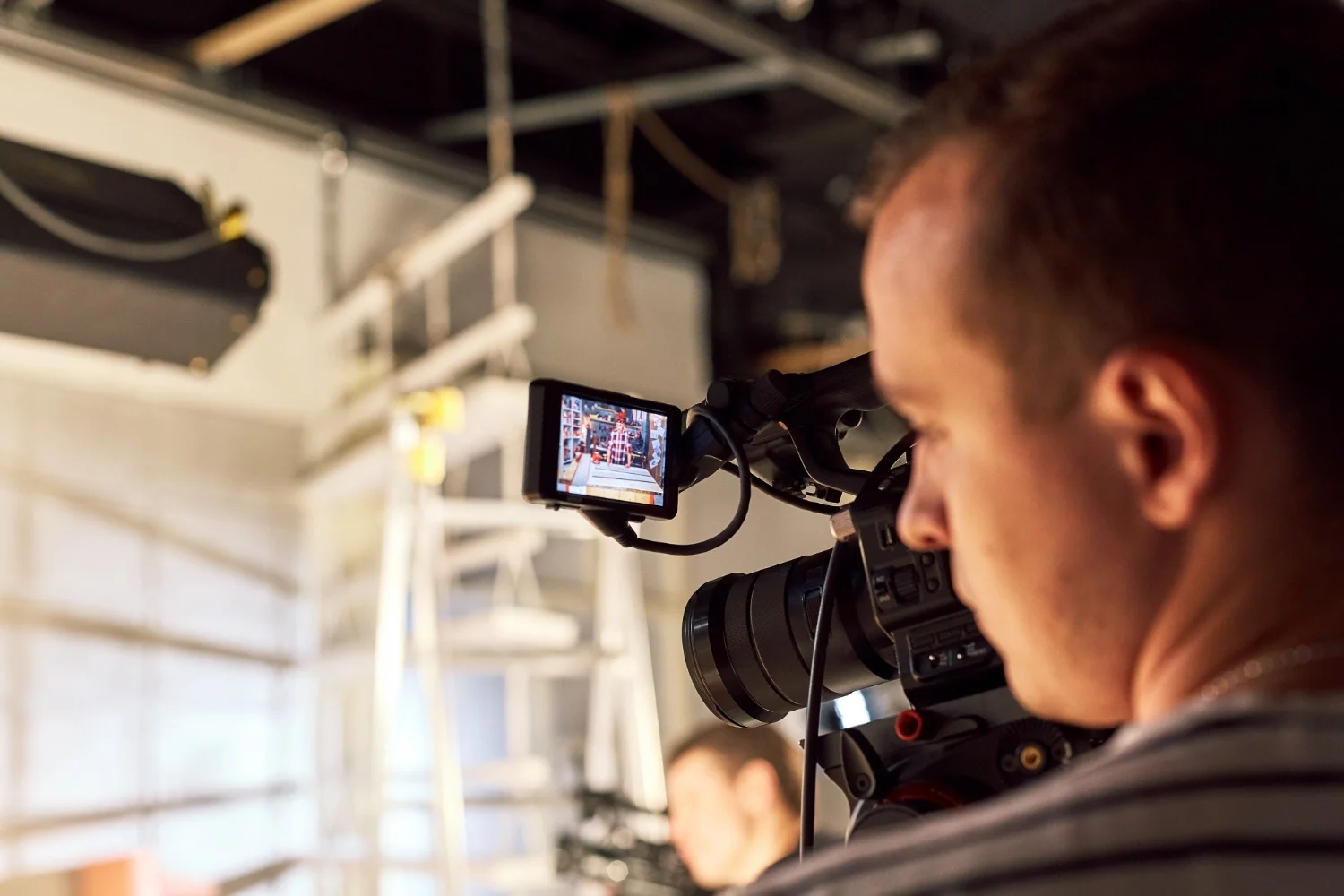
I've been producing video in Chicago for about 30 years. Here is what the term covers, how the process runs, and where first-time clients get surprised.
What "corporate video" covers
When someone contacts me for a corporate video, I ask a lot of questions unless they have already narrowed down what they want. The term means many different things. It can include:
Internal communication videos
Onboarding videos
Recruiting videos
YouTube marketing videos
Social media videos
Straight marketing videos
So my first question is always which kind you are looking for. An onboarding video and a social media ad have different audiences and different budgets. If training is what you need, I wrote a separate guide on how to produce a corporate training video.
The type that gives a business the most value
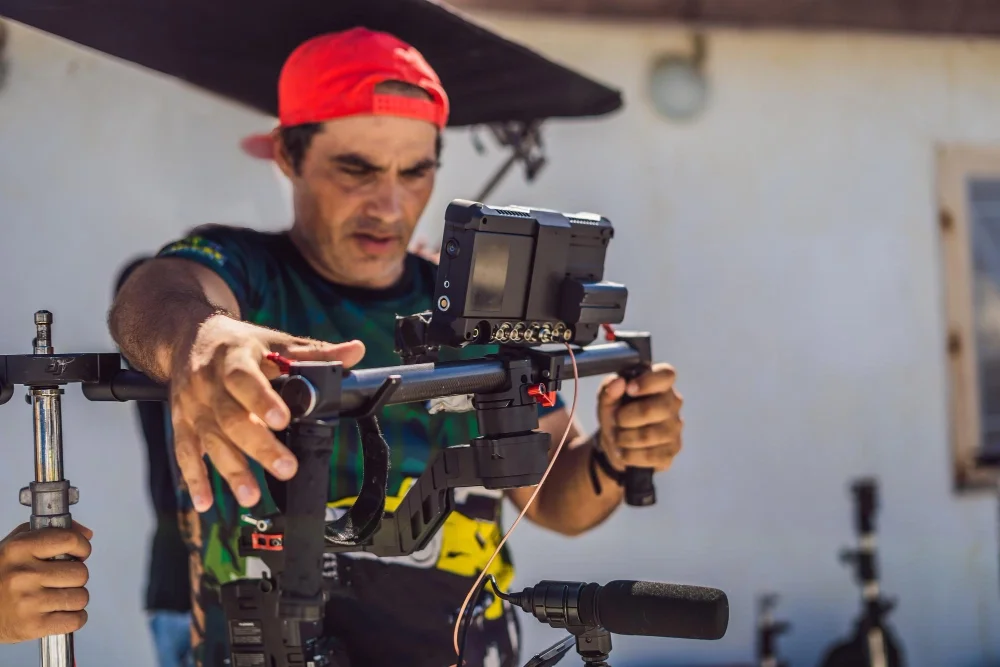
In my experience, the best value is a series of marketing videos built around your brand's messaging and aimed at one channel and one audience.
A single video that tries to work everywhere usually works nowhere. A series made for a specific place, like your YouTube channel or your LinkedIn feed, gives you more content from the same planning and often the same shoot days. Length changes by channel too, which I covered in how long a marketing video should be.
Have your messaging in place before you call
This sounds obvious, but it surprises me how many companies contact a production company without knowing how the video will be positioned once it is finished.
There is a gray area between marketing strategy and producing content. A production house or creative video team makes the content. The messaging behind it should already exist when you call. Some video production companies also offer marketing strategy, and at that point they are closer to an advertising agency than a production company. Creative agencies and production companies overlap in many places, so ask up front who is responsible for the strategy.
If you know who the video is for and where it will live, the production gets faster and cheaper.
How the process works
The discovery questions
Every new project starts with the same questions:
What is the video for
Who is the audience
What is the timeframe
What is the budget
What outcome do you want
The answers shape everything after, including crew size and the number of shoot days.
The estimate
A good estimate covers more than a price. In ours, we address the problems that could come up, such as scheduling and cancellations. We spell out what happens if someone gets sick before the shoot, or if the shoot depends on weather and the weather is bad. We also define revisions and potential overruns so nobody is guessing later.
For a sense of the numbers, see how much a corporate video costs per minute.
The script and storyboard
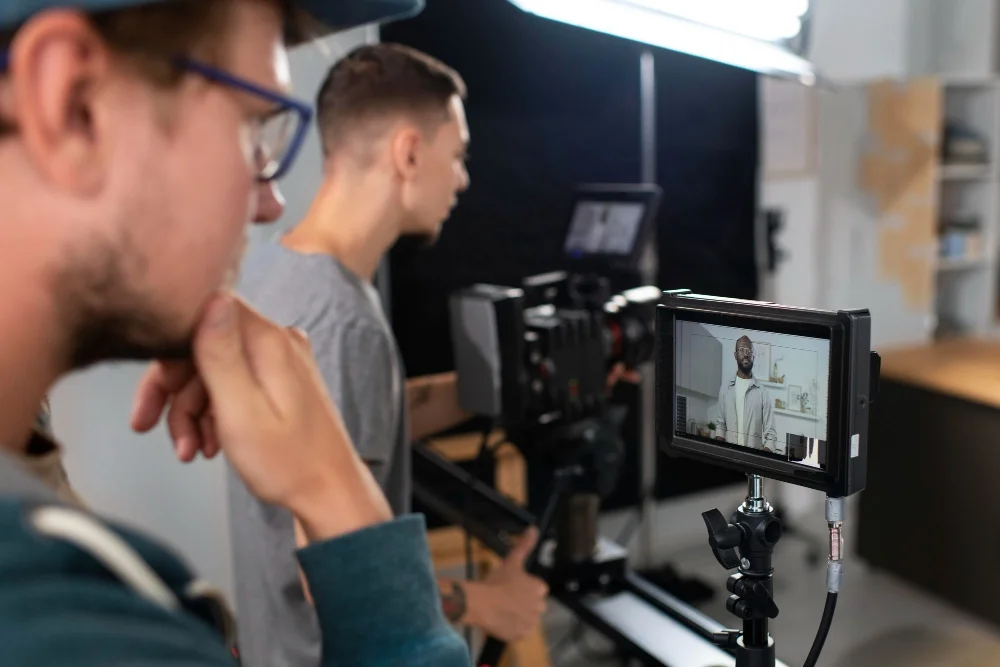
A tight script and storyboard prevent most of the problems that could come up. When everyone agrees on what is being shot before the shoot day, there are fewer surprises on set and fewer revisions in the edit.
What first-time clients underestimate
Companies hiring video production for the first time underestimate how much time planning and production take.
Here is a real example from the shoot day. One interview in one location can take an hour or more to set up and 30 minutes to take down. That does not include the interview itself. Move to a second location and the clock starts again.
Rushing a setup is never a good idea. A rushed set puts more stress on the person being interviewed, and that stress shows up on camera. Build the schedule around the real setup times and the interviews go better.
Prepare the people who will be on camera

One of the most important things you can do for a corporate shoot is let us talk with the people being interviewed before the shoot day.
In that conversation we give them tips for getting ready. The one I repeat most is to record yourself on video over and over. The more times you see yourself on camera, the more comfortable you get in front of one. People who have practiced give better answers in fewer takes.
I go deeper on interview prep in how to record a professional customer testimonial.
Small independent or large production company
If you ask me whether to use a large production company or a small independent for a corporate video shoot, I will always say a small independent that is connected to resources.
The cost will be far less than a large production company. A small team is also more nimble with scheduling and due dates. Large production companies have a longer process with more people involved, and the delivery date will be farther out because they are accommodating so many other clients.
You also talk directly with the team doing the production. There is no account person in the middle. That direct line makes the production smoother, and it brings out small creative decisions that would never come up if the conversation went through someone else.
That is how I run Pierson Studios. I'm an independent producer, and I bring in crew as each job needs. If you are comparing options, my guide on how to find a local videographer for your business covers what to look for.
Key Takeaways
- Corporate video covers many types, including internal communication, onboarding, recruiting, YouTube, social media, and marketing videos. Decide which kind you need first.
- A series of marketing videos built on your brand messaging and aimed at one channel and one audience usually gives the most value.
- Have your marketing messaging in place before you contact a production company.
- A good estimate spells out scheduling, cancellations, sick days, weather, revisions, and overruns.
- Plan for real setup times. One interview in one location can take an hour or more to set up and 30 minutes to take down.
- A small independent producer connected to resources costs less and lets you talk directly with the people doing the work.