How Do I Make a Video Go Viral for My Brand?
Going viral is rarely something you can plan for, and honestly it shouldn't be the goal. What you actually want is a video that connects with the right people, gets shared because it meant something to them, and keeps working for your brand over time.
Let's Be Honest About "Going Viral"

Viral videos happen, but they almost never happen on purpose. They're usually a combination of timing, luck, and something that hits unexpectedly. Chasing that as a business goal distracts from what actually is important to business goals.
The businesses that do well with video aren't the ones trying to go viral. They're the ones consistently making content their audience actually wants to watch and share. That's a much more achievable goal, and it adds up over time in ways that a single viral moment usually doesn't.
What Makes a Video Actually Get Shared
The videos that get passed around aren't usually the most polished ones. They're the most real ones.
Authenticity is the word everyone uses and nobody quite defines. Here's what it actually looks like in practice. A company showing its personality. A person on camera who sounds like a human being instead of a press release. A story that has a point of view instead of just a stuffy corporate message.
Corporate lingo kills shareability. Videos full of phrases like "synergize our value proposition" or "leverage our core competencies" consistently see low view counts and almost never get shared. Nobody shares content that sounds like it was written by a committee. Do you ever share videos that sound like that?
The videos that perform best come from a genuine place. Real people, real stories, real opinions. That's what audiences respond to.
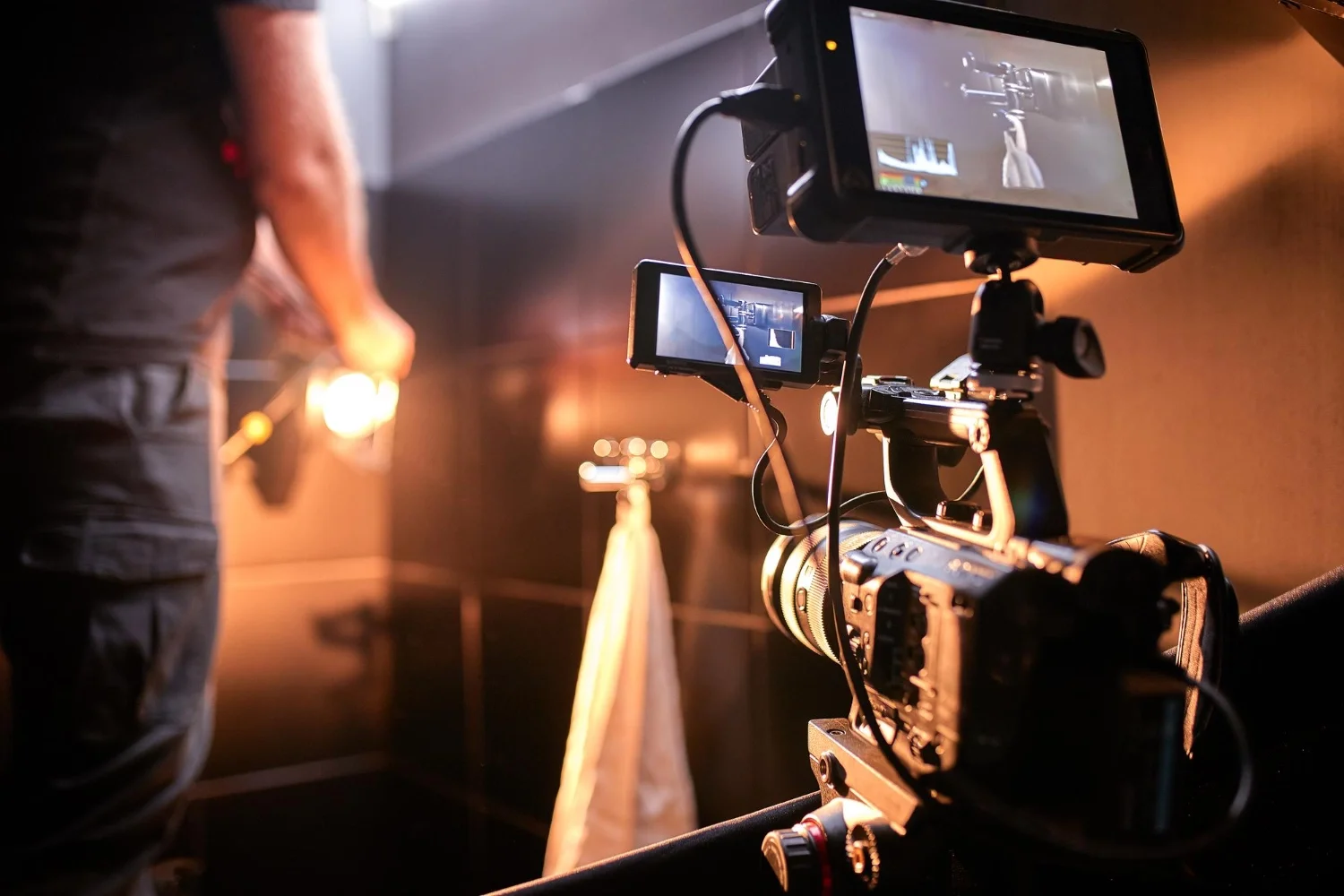
Production Quality Matters Less Than You Think on Social — But Not Zero
On social media, a video doesn't need to look expensive to connect with people. Some of the best performing brand content is shot on a phone. When the project calls for a higher production level, what professional video production actually costs is worth understanding before you start planning. But there are a few production details that matter even at the lowest budget level, and when they're missing, people feel it even if they can't name it.
Stabilization, audio, lighting, and storytelling. Those four things done right make a video watchable and credible without calling attention to themselves. The goal of production is to be invisible. If the viewer is noticing something, then something in production didn't go right. If they're just watching the story, then you're good to go.
The Questions Before Beginning
Before the camera turns on, the most valuable conversation is about the goal. What is this video supposed to do? Who is it for? What do you want them to do after they watch it? For how to build a marketing video around those answers, that covers the process from planning through production.
At Pierson Studios, those are always the first questions. Not "what should it look like?" but "what should it accomplish?" A video without a clear purpose and a clear call to action is just content filling space. That wastes the viewer's time and the client's money, and I'm not interested in producing either of those things.
Getting the answers to those questions is what makes the production work for you. The camera is the final thing to be used, not the first.
Key Takeaways
- Going viral shouldn't be the goal, consistent, shareable content is a better target
- Authenticity and brand personality drive shares more than production budget
- Corporate language and polished messaging consistently underperform genuine storytelling
- Even low-budget videos need stabilization, good audio, proper lighting, and a real story
- Good production is invisible, if viewers notice it, something went wrong
- The goal, audience, and CTA should be defined before a script is written or a camera is turned on