How to Make a Video for Marketing
A marketing video starts with one question before anything else: who is the audience? Everything about the production, the tone, the format, the length, the call to action, follows from the answer.

Start With the Audience, Not the Concept
Before any production planning begins, the most important thing to establish is who you're talking to. A marketing video for a B2B software company and a marketing video for a neighborhood restaurant are fundamentally different productions, even if they're the same length. The audience determines the visual style, the pacing, the platform it's built for, and the kind of action you're asking viewers to take.
Skipping this step and jumping straight to production is how businesses end up with a video that looks fine but doesn't do anything useful.
What a Marketing Video Actually Needs to Do
Marketing videos are different from training videos or internal communications. Their job is to drive traffic and prompt some kind of action, a website visit, a form fill, a phone call, a purchase. That means a few things have to be true about how they're made.
They need to be precise. Viewers don't have patience for a slow buildup in a marketing context. The video needs to get to the point quickly and hold attention long enough to deliver the message. For how a product demo should open to keep viewers watching, that covers it in detail.
They need a clear call to action. Every marketing video should end with a specific next step for the viewer. Without it, you've created content that entertains or informs without converting. For whether video increases website conversions and what has to be in place for it to happen, that covers it in detail.
They work best as a series. A single video gets posted once and fades. A series of related videos gives you content to schedule over time, builds familiarity with your audience, and keeps the brand visible across weeks or months rather than days.
What the Production Process Looks Like
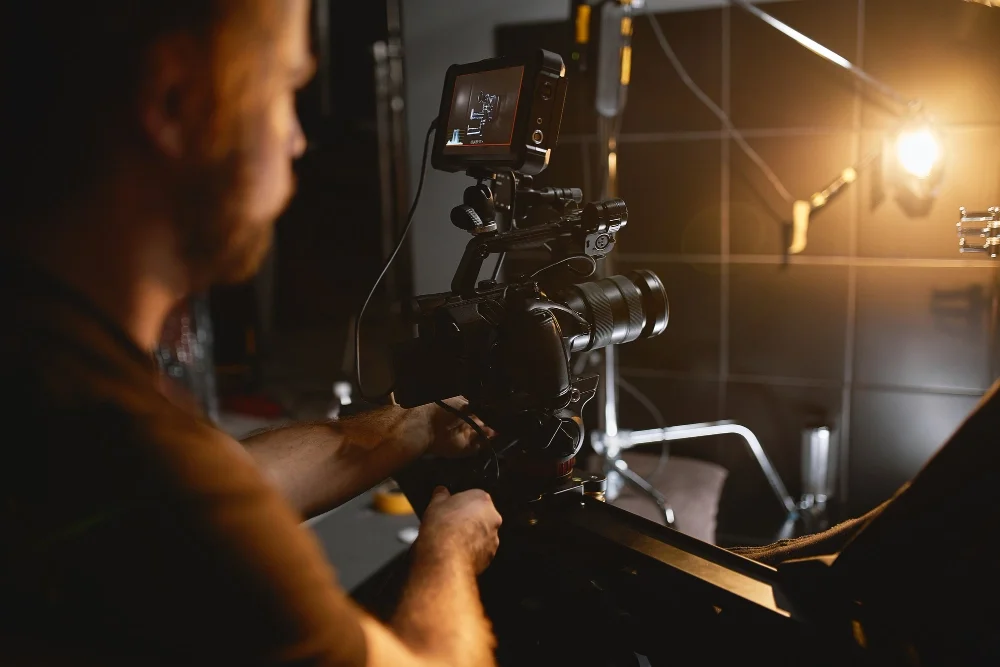
At Pierson Studios, every marketing video project starts with a discovery conversation before any production planning begins. The questions that need answers before a camera is turned on include:
What is the goal of this video?
Who is the audience?
Where will it be posted or distributed?
What does the rest of the marketing campaign look like, and does this video align with it?
That last question is important. A video that's produced in isolation from the broader marketing strategy often doesn't fit the messaging, the visual language, or the platforms the campaign is running on. Getting that alignment right upfront is part of what makes a video actually useful rather than just produced.
When Doing It Yourself Makes Sense — and When It Doesn't
If you're making videos on your own, a good wireless lav will get you most of the way there. When the video carries more weight, like a brand campaign or a product launch, reach out to Pierson Studios. We plan the audio along with everything else during our discovery call, before production starts, and how we plan a marketing video covers what that process looks like.
But for larger companies, B2B businesses, or any brand where perception matters to the buying decision, the production quality of the video is part of the message. A video that looks underfunded signals something to the viewer about the brand behind it, whether that's intended or not. For when a larger production budget is actually warranted and what it actually gets you, that's covered here. In those cases, professional production should be part of the marketing strategy and budget. For what professional marketing video production actually costs and what drives that number, this link has more info.
What Good Marketing Video Actually Delivers
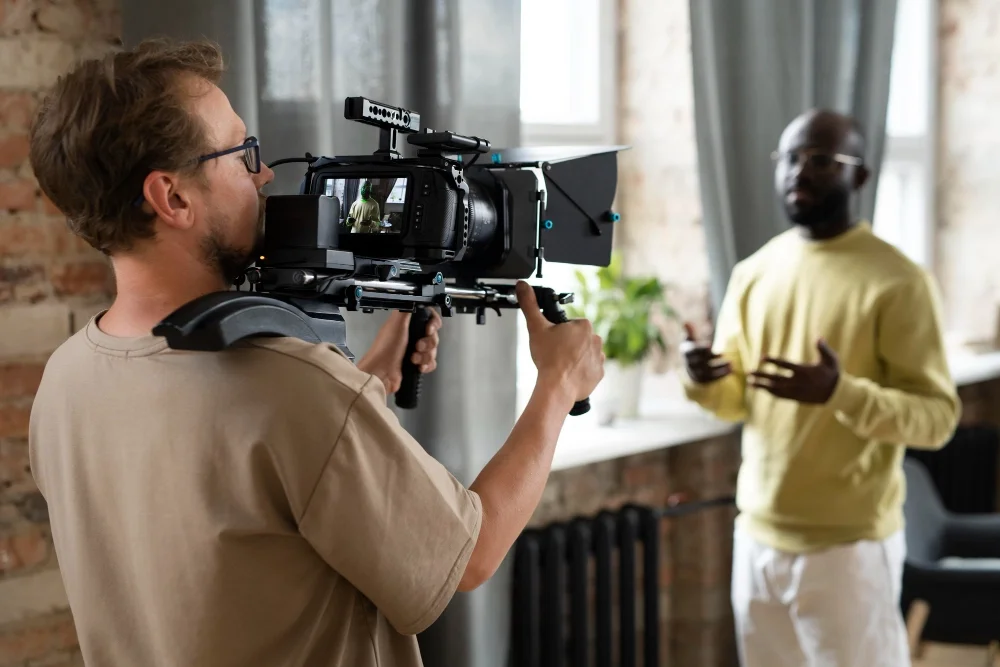
Pierson Studios produced a series of testimonial videos for a car dealership that ran as pre-roll in local movie theaters before feature films. The format put the brand in front of a captive, local audience repeatedly over time. It consistently brought the dealership new customers, and the results were trackable enough that the client kept the campaign running. Theater playback leaves nowhere to hide a bad mic or a soft focus, and how a professional customer testimonial gets recorded covers what that takes.
For Portillo's, we produced an employee profile video that drove a measurable spike in traffic and expanded brand awareness beyond their existing customer base. The video worked because it told a real story about real people in a way that felt genuine — not like an ad, but like something worth watching.
Both of those outcomes came from understanding the audience first and building the video around what would actually reach them. That's the process. The production details and concept came second.