How to Make a Product Demo Video That Sells
A good product demo answers the one question every viewer is really asking, which is whether they should buy this and whether it will help them. You answer it by showing the product's biggest advantage in the first few seconds. Everything else in the video is secondary to that. If someone finishes watching and still doesn't know what the product does for them, the video failed, no matter how nice it looked.
Show the biggest benefit first
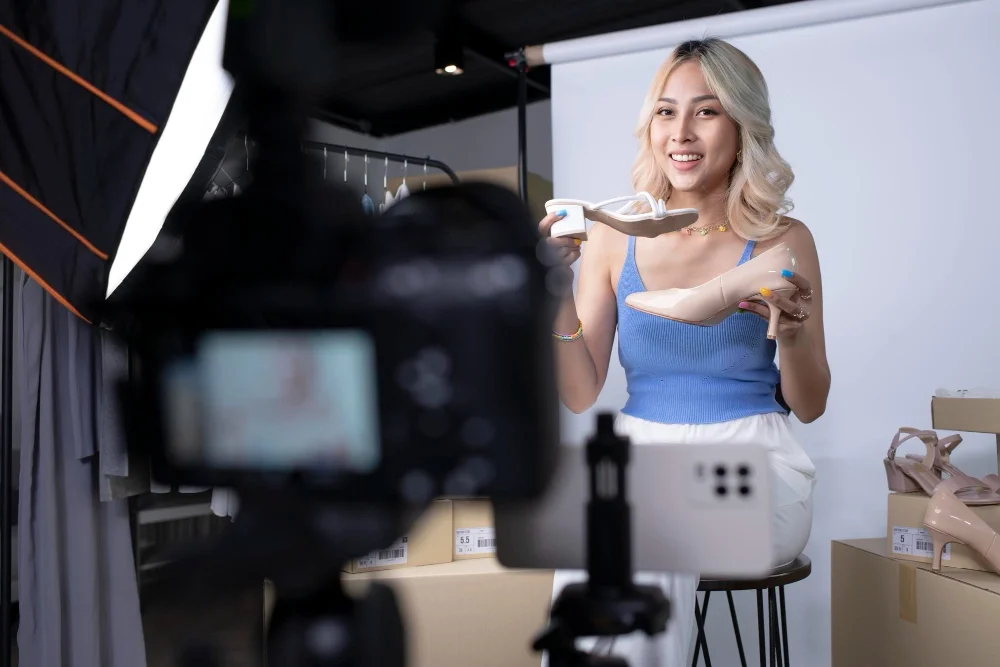
The single most important decision in a product demo is what you put in the first few seconds. State the product's largest advantage and demonstrate it right away. Not the brand story. Not the founder. Not a logo animation. The thing that makes someone want it.
I worked on a piece for Instant Pot that did very well, and the reason was simple. The best feature was the first thing talked about. Viewers got the payoff immediately, and that bought us the rest of the runtime to fill in the details.
The data backs this up. Retention analysis consistently shows the steepest drop in any video happens in the opening stretch, which makes the first 30 seconds the highest-leverage part of the whole curve. You lose most people before your value even starts. So put the value at the front.
Why most self-made product demos fall flat
A phone and good intentions will get you a video. It usually won't get you a demo that sells anything. What's missing is almost always the connective material that keeps a viewer engaged. Good coverage of the product. Lighting that makes it look great. An environment that puts the product in context, not on a folding table. And editing that's appropriate for the video. For which projects justify a bigger production budget and which ones don't, that covers it in detail.
Coverage
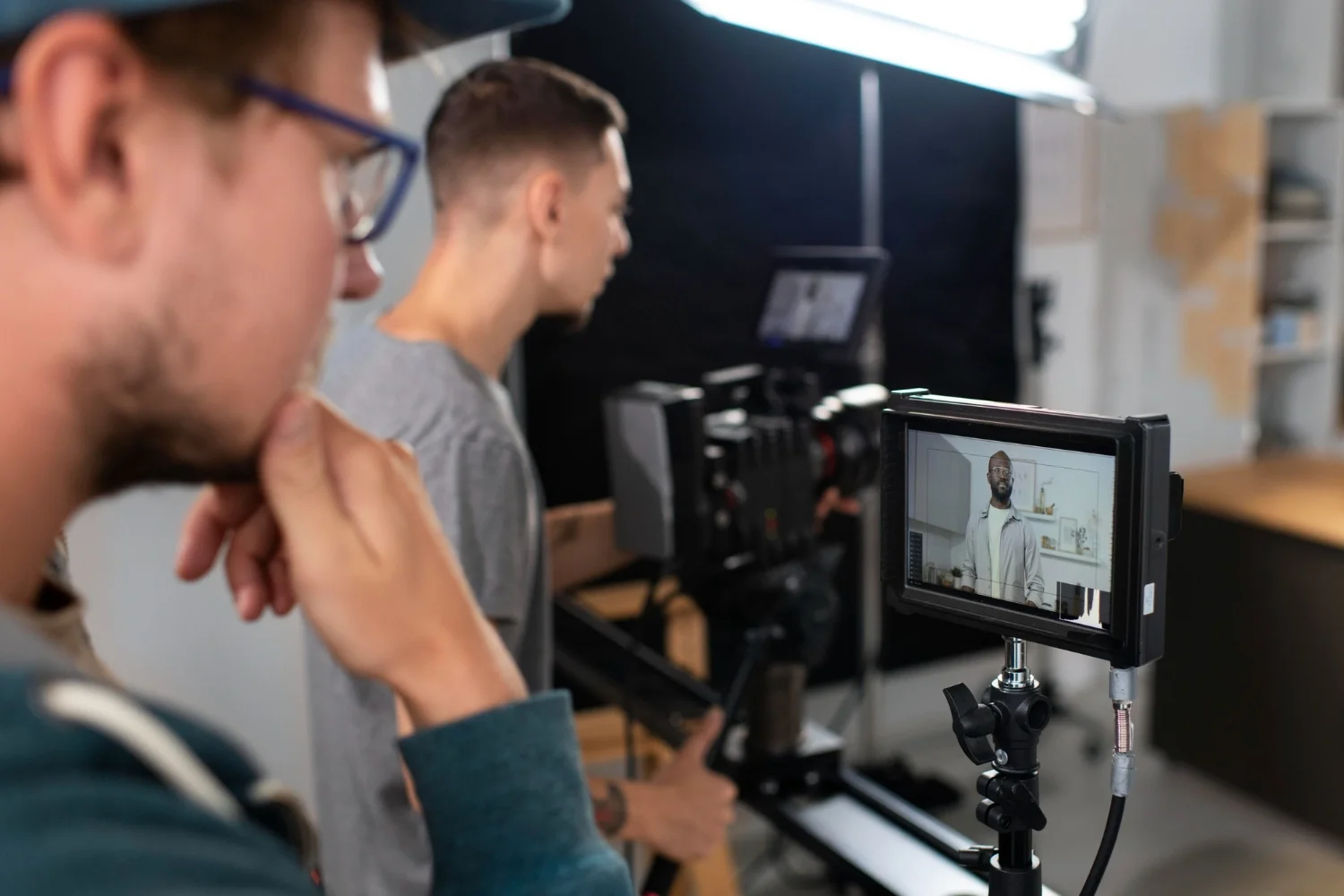
You need wide shots to establish what the product is and how big it is, and you need close shots to sell the features and the build quality. Cutting between those two is what makes a demo feel like a demo instead of a home video. Most cell phone demos are shot at one focal length and one angle, and the viewer checks out.
Post production
Editing is where a product video is actually made. Pacing, graphics, sound, color, all of it. A rough cut of great footage can still be boring. A tight cut of decent footage can sell.
How I shoot a product demo
Lens choice
I start wide to establish the product and the setting, then move to a zoom for the feature work. Wide gives context, longer glass isolates the detail you want the viewer looking at. That progression matches how a person would actually pick something up and examine it.
Length
Short. A sales demo needs to get to the point fast, and there's no reason for it to run long. The exception is a tutorial, where the viewer has already decided to buy and now wants to learn the product.
Voiceover or on-camera
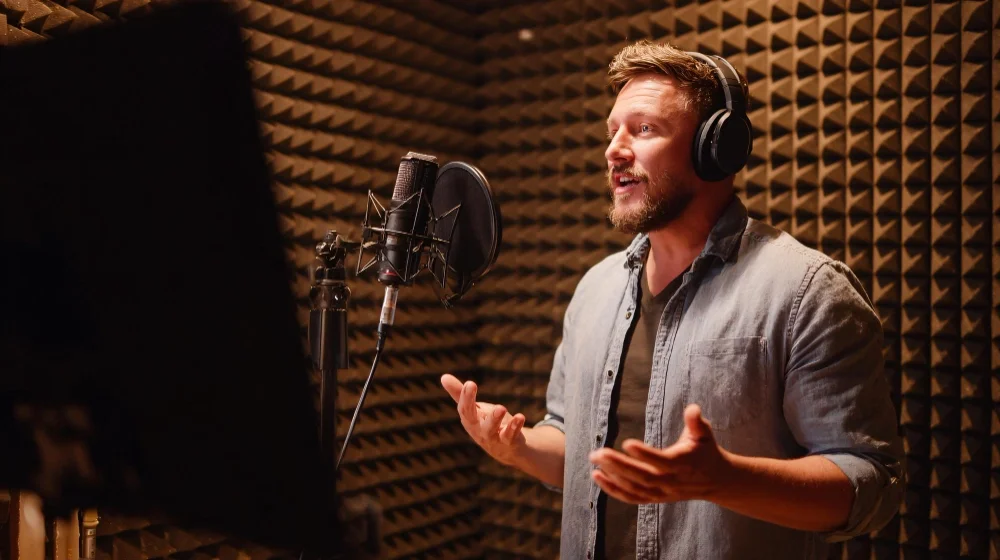
It depends on the product and the brand. Sometimes voiceover is the right call because you want clean, controlled narration over strong visuals of the product working. Other times the person using the product should be on camera in their own voice, because the authenticity is the selling point. I make that call during planning.
What happens before we shoot
Every product demo starts with a discovery call. Before we schedule anything, I want to know the goal of the video, who it's for, where it's getting posted, what the call to action is, and how it fits into the larger marketing plan. A demo cut for a product page is not the same video as a demo cut for paid social.
The other thing I'm working out in that call is the scenario. Where does the product live? Who's using it? What does the moment look like when it solves the problem? Getting the product into the right scenario is most of the job, and asking the right questions up front is how you find it.
Working with Pierson Studios
I've been doing production for about 30 years, and I handle it end to end. Pre-production, the shoot, post, and graphics. Keeping the edit and the graphics in house means fewer handoffs and a faster path from shoot day to finished video.
I also have connections with nearly 300 voice talent, so when a project calls for voiceover I'm not starting a search from zero. That comes from running Voice Dragons, a human-only voiceover marketplace, alongside the production work.
If you have a product that needs to sell itself on video, reach out and we'll start with the discovery call.
Key Takeaways
- The viewer's top question is whether they should buy the product and whether it will help them. Answer it first.
- Lead with the product's biggest advantage in the opening seconds, because that's where most viewers decide to stay or leave.
- Self-shot demos usually fail on coverage, lighting, environment, and editing rather than on the product itself.
- Cut between wide shots for context and close shots for features. One angle at one focal length loses people.
- Keep sales demos short. Tutorials are the exception, since that viewer has already bought in.
- Decide between voiceover and on-camera talent during planning, based on the product and the brand.