Are Expensive Videos Worth It?
Not every video needs a big budget. But some do. Knowing the difference saves you money on the projects where simple works and gets you the right result on the ones where it doesn't.
When the Budget Actually Needs to Be Higher
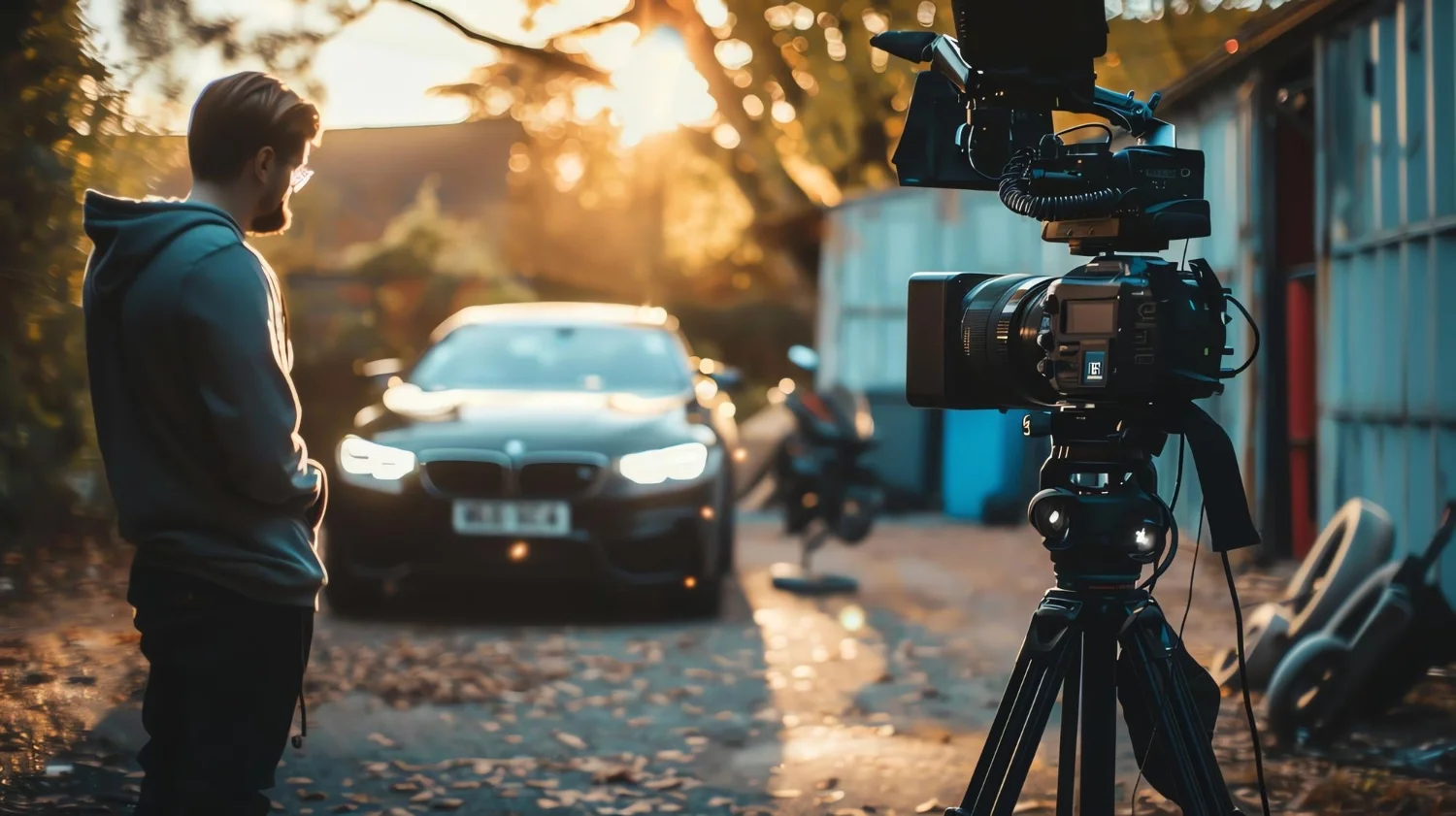
Higher profile brands need better production. That's pretty much the rule. If your brand is national, if the video is going to run in high-visibility placements, or if the production is representing a brand people already have high expectations of, the video needs to match that.
A luxury brand running a homemade-looking video sends a confusing message. The production quality is part of what the brand is saying about itself.
What a Bigger Budget Actually Gets You
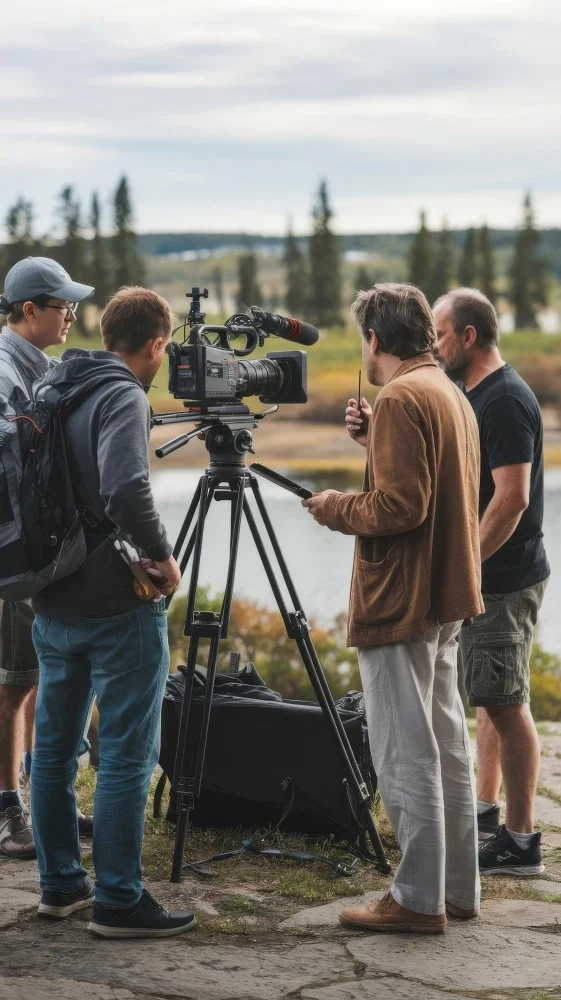
More money in video production buys real things. More locations means more visual variety and a more dynamic story. More interviews means more perspectives and more content to work with in the edit. For what those budget decisions look like across different project sizes, that covers the full range. Drone footage opens up shots that ground-level cameras simply can't get.
More crew matters too. A larger team means more complex setups, faster turnaround between shots, and the ability to capture things simultaneously that a small crew would have to do one at a time. The footage gets better because there are more people managing more pieces at once.
Post-production time is also part of it. A higher budget means more time to edit carefully, refine the pacing, adding voiceover, and deliver something polished instead of just done.
A Project Where the Budget Made the Difference
I worked on a national campaign for Sanford products. It ran nationally, involved a large crew, and needed to look great because that's what the brand required at that level.
Part of the budget went toward renting a beautiful home for the production location. That single decision contributed significantly to the final result. The space looked right. The brand looked right. A cheaper location would have shown, and the whole campaign would have been weaker for it.
That's what budget buys on a project like that, the ability to get every detail right instead of taking shortcuts and it looking like you took shortcuts.
When a Big Budget Is Overkill
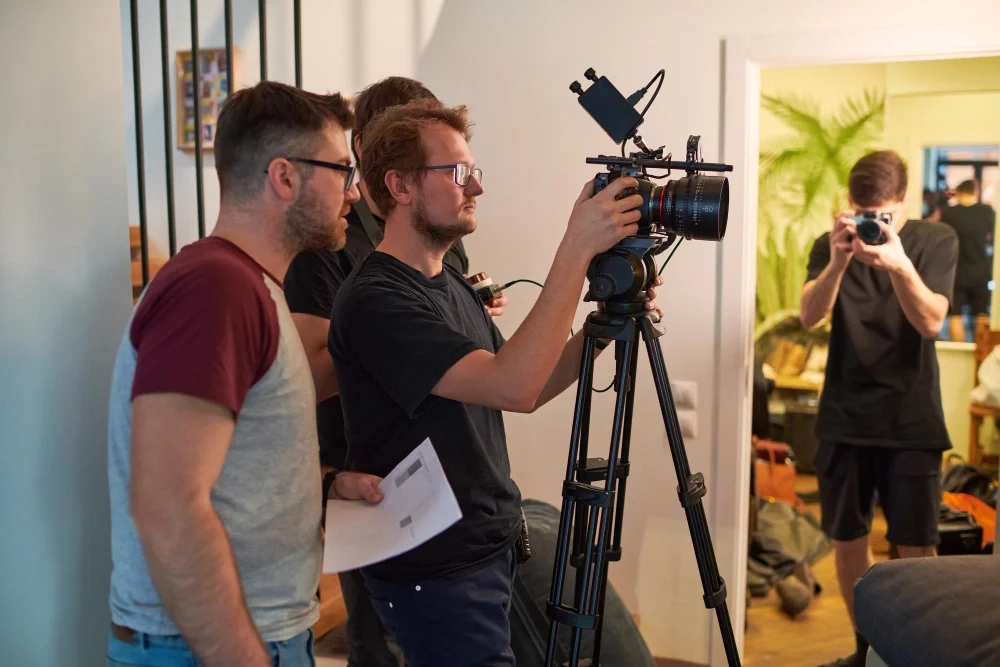
If a video has a short shelf life or you're producing a steady stream of social media clips over time, large production budgets don't make sense. You'd be spending big on content that gets consumed quickly and replaced.
Smaller brands without large budgets can still get well-produced video. The key is strategy. Knowing how to keep costs down without sacrificing quality comes from experience. You make smarter decisions about locations, crew size, and shooting days because you know what actually matters for the final result and what doesn't. You cut out what’s not important or what doesn’t contribute to your messaging.
What It Takes to Manage a Big Production
Running a high-budget production isn't just about having the equipment. It takes a certain finesse to manage a large crew and keep everything moving. Permits, scheduling, location booking, crew coordination, there are a lot of moving parts.
I've worked on productions at that level and know what it takes to keep them on track. That experience is part of what Pierson Studios brings to larger projects. A first-time producer on a big budget shoot is going to hit problems that an experienced one anticipates and avoids.
Key Takeaways
- Higher profile brands need production quality that matches their brand expectations
- Bigger budgets buy more locations, interviews, drone footage, crew, and post-production time
- A national Sanford campaign showed how the right location budget directly improved the final result
- Social media clips and short shelf-life content don't need large production budgets
- Smaller brands can still get quality video through smart strategy and experienced decision-making
- Managing large productions requires experience with permits, scheduling, crew, and logistics