Commercial video production is the work of creating a short ad built to get an immediate response from viewers. Most of that work happens in pre-production, where the creative concept is matched to the audience before anyone sets up a camera.
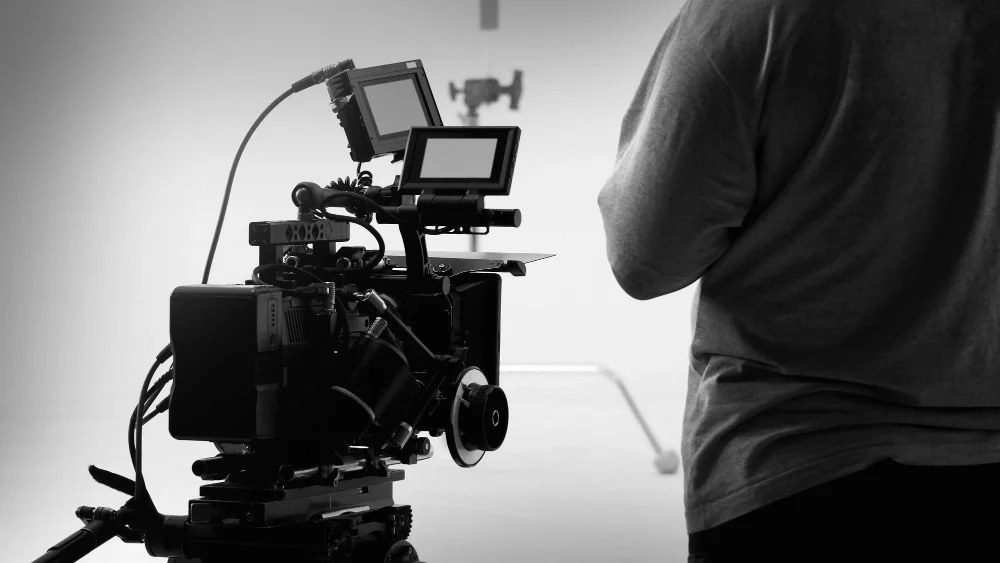
The term commercial video production is used loosely. Some people call any B2B or B2C business video a "commercial video." In this post I mean actual commercials: the spots that run on TV, streaming services, social feeds and in movie theaters before the feature starts.
How a Commercial Differs From a Branded Film
A branded film usually educates the viewer about a business or warms up a prospect over time. If you want to see what that looks like, I wrote about brand story video production in Chicago.
A commercial has a different job. It is meant to make someone act now, whether that means calling the number or walking into the store. Because it has only a few seconds to earn that response, the creative needs a lot more attention up front than a branded film does.

Pre-Production Is Where Commercials Are Won
When a business hires a video pro to produce a commercial, the biggest chunk of creative work happens before the shoot. Here is what I tell clients to focus on.
Start with the audience
Align the creative with your audience first, then build everything else from there. A commercial for a car dealership speaking to first-time buyers should look and sound different from one aimed at people shopping for a luxury SUV.
Keep it short and hook them fast
A commercial should be short, with a strong hook in the opening seconds. People skip ads and scroll past them all day. If the first moment doesn't grab them, the rest of the spot doesn't matter. For more on running time, see my post on how long a marketing video should be.
Use professional talent
Use professional actors or a professional voiceover. Talent is one of the easiest places to spot a cheap commercial. A great script read by someone uncomfortable on camera falls flat.
Leave the technical problems to the production team
You shouldn't have to worry about delivery specs for each channel, camera angles, locations or casting models. A good production team solves those problems. Its job is to bring the vision of a creative director or marketing department to life using its resources efficiently and at the lowest cost possible.
You Don't Always Need a Big Crew
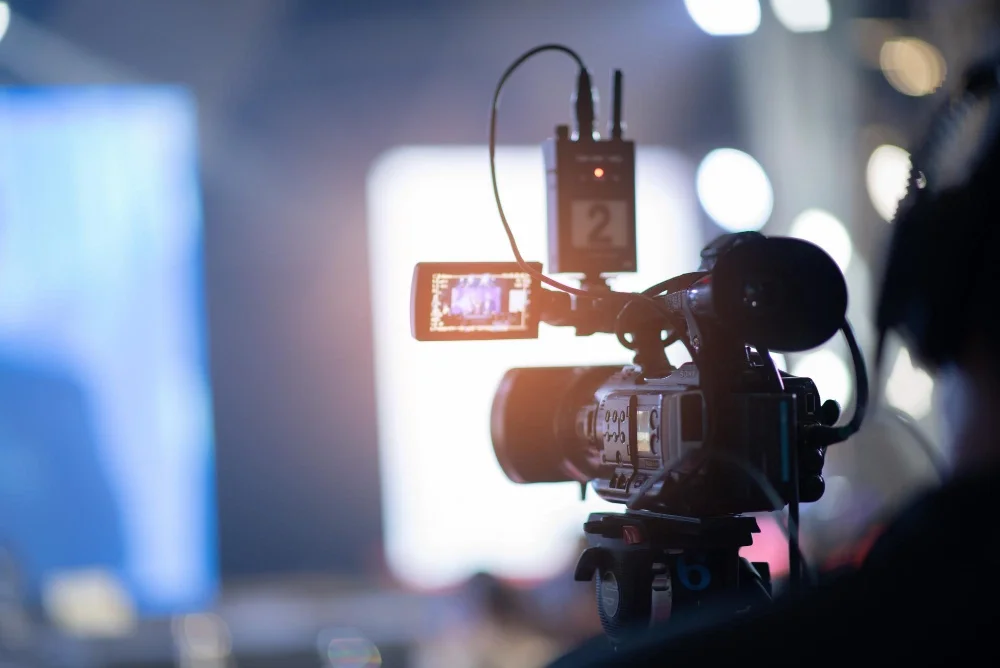
A common misconception is that every commercial needs a large crew, big cinema cameras and grip trucks. A big national production might. Many commercials can be shot with a small crew for far less money.
Technology has made it possible to do more with less. Lights and cameras are smaller now, with brighter output and better image quality, and AI can fill in B-roll gaps. That makes production faster and more efficient, and the savings go to the client.
A Real Example: Car Dealership Commercials in Movie Theaters
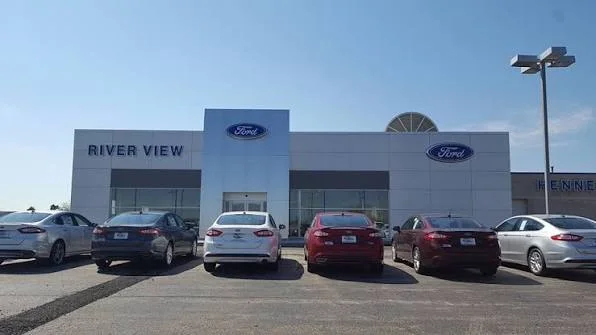
I produced a set of testimonial commercials for a car dealership that ran in movie theaters. Testimonials sound simple, but they still had to look professional and well-produced on a giant screen.
The crew was one other person and me. We used two cameras, four lights, and a slider, which moves the camera side to side to add some motion and interest to the shot. We found a space inside the dealership that looked right and shot all the testimonials in three hours.
If you're planning something similar, my post on how to record a professional customer testimonial covers the interview side in more detail.
The hard part was the audio
The toughest part of the job happened in post-production: getting the audio right for theaters. Cinemas have their own way of handling sound, and a commercial mixed for TV or YouTube won't necessarily play well in a theater.
The industry measures the loudness of short theater content with a method set out in SMPTE's recommended practice for measuring commercial and trailer loudness, which covers material up to three minutes long. The international standard for motion picture loudness points out that many commercials and trailers push their audio as loud as the format allows. That standard exists so ads and trailers better match the level of the movie that follows. For trailers, the recommended upper loudness of 85 dB Leq(m) is meant to bring them closer to the feature.
If you've ever sat in a theater and a pre-roll commercial sounded way too loud or muddy, whoever did the post-production didn't set the audio up correctly. Good audio starts on set too, which is why I wrote about whether you need a professional microphone for marketing videos. And if your ad uses voice-over, it’s super important to use pros who know how to voice ads. I use Voice Dragons for good talent.
How Much Does a Commercial Cost?
For a local commercial with a small crew, expect to pay somewhere between $3,000 and $5,000, which can include editing. The real number depends on the scope of the job, and it's hard to quote without all the details.
These are the things that push the price up:
A more complex creative concept
More than one location
Professional actors
Hair and makeup
A specialty camera or lens
A crew larger than two or three people
Larger brands running big campaigns expect larger productions, and they can absorb that cost more easily than a small or midsize company. That's normal. A local business can still get a polished commercial by keeping the concept tight and the crew small. For a broader look at pricing, see my breakdown of corporate video cost per minute.
How Pierson Studios Produces Commercials
Every commercial I produce starts with a discovery meeting. I want to know what stage you're at and who is driving the creative process.
Some clients come in with a creative director or an agency concept already built. In that case, my job is to produce it well and solve the production problems. Other clients don't have creative direction yet. When that happens, I work with them to develop a strategy and a creative concept that meets the goal they're trying to achieve.
From there I handle the production and post-production, including the channel specs, so the finished spot plays correctly wherever it runs. If you want to know more about the role itself, read what a commercial videographer does.
Key Takeaways
- Commercial video production means creating short ads built to get an immediate response, which sets them apart from branded films that educate or warm up prospects.
- Most of the work in a commercial happens in pre-production, starting with creative that is matched to the audience.
- Keep commercials short with a strong hook, and use professional actors or professional voiceover.
- Many local commercials can be shot with a two-person crew thanks to smaller, better lights and cameras plus AI-filled B-roll.
- Commercials that run in movie theaters need audio mixed to cinema loudness practices, or they sound bad in the pre-show.
- A local small-crew commercial typically runs $3,000 to $5,000, with cost rising for actors, locations, hair and makeup, specialty gear and bigger crews.